Tertiary Extremity Reconstruction
Extremity injuries involving combined vascular, skeletal, soft tissue, or neural compromise exceed routine reconstructive capability.
Tertiary reconstruction within trauma-based hospital infrastructure is required.
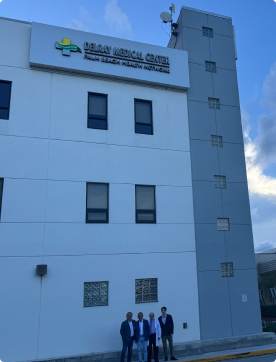
Hospital-based tertiary extremity reconstruction occurs within the Level I trauma center at Delray Medical Center.
Integrated Limb Salvage
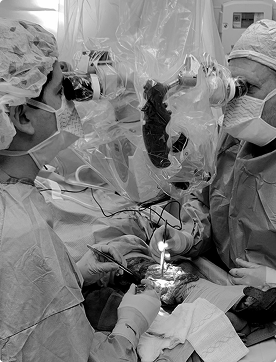
Tertiary extremity reconstruction proceeds in coordination with vascular surgery within Delray Medical Center.
Combined arterial reconstruction and microsurgical soft tissue coverage are performed when perfusion is compromised.
Simultaneous vascular, skeletal, soft tissue, and neural injury requires coordinated operative sequencing.
Operative sequencing defines durability.
Tertiary reconstruction proceeds when limb preservation remains biologically plausible.
Early Tertiary Involvement
Delay permanently narrows reconstructive options through progressive tissue loss, infection, hardware destabilization, and irreversible nerve injury.
When injury severity threatens limb viability, tertiary evaluation occurs at the outset.
Early tertiary involvement preserves perfusion, stabilizes coverage, protects hardware, and integrates nerve reconstruction prior to irreversible compromise.
Management Of Failed Prior Reconstruction
Catastrophic extremity injuries are managed under the following circumstances:
- Amputation has been recommended
- Prior reconstruction has failed
- Infection persists despite operative management
- Hardware exposure cannot be controlled
- Soft tissue coverage options are exhausted
- Vascular insufficiency complicates salvage
Tertiary management requires operative scale, multidisciplinary coordination, and trauma infrastructure.
High-acuity reconstruction occurs at trauma scale — not outpatient scale.
Amputation Consideration
Before irreversible decisions are finalized, tertiary assessment is appropriate.
Not all limbs can be preserved.
Catastrophic extremity injury requires structured evaluation within vascular and microsurgical infrastructure prior to permanent functional loss.
Limb viability, arterial flow, nerve recovery potential, and reconstructive durability are assessed in sequence.
Reconstruction follows protocol.
Workers’ Compensation & Catastrophic Referral
Catastrophic workplace extremity injuries requiring tertiary reconstruction are managed within the Level I trauma center.
Referral patterns include:
- Industrial crush injuries
- High-energy workplace trauma
- Mangled limb patterns
- Failed operative management
- Persistent postoperative wound breakdown
- Vascularly compromised extremities
Tertiary extremity reconstruction within a Level I trauma system ensures trauma-scale infrastructure for catastrophic injury.
Tertiary Transfer
Transfer is initiated when injury complexity exceeds local reconstructive capability.
Regional and out-of-state referrals, including air ambulance transport, are arranged when tertiary vascular and microsurgical reconstruction at trauma scale is required.
Direct Referral
Limb-threatening extremity injuries requiring tertiary reconstruction are managed within the Level I trauma center at Delray Medical Center.