Chest Wall & Sternal Reconstruction
Structural Sternal & Chest Wall Failure Within a Hospital-Based Multidisciplinary Environment – Florida
Sternal wound complications and chest wall failure represent high-acuity structural reconstructive problems that extend beyond superficial wound breakdown.
These conditions involve mechanical instability of the sternum, compromised bone integrity, deep mediastinal infection, hardware failure, and physiologically vulnerable patients recovering from major cardiac surgery.
Definitive management requires coordinated reconstruction integrated with cardiothoracic care within a hospital-based multidisciplinary framework.
Isolated soft tissue closure does not address structural failure.
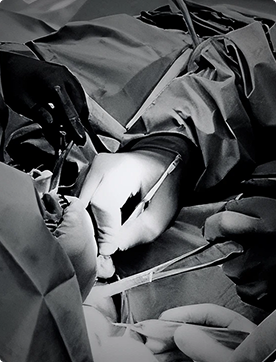
Structural Sternal Failure After Cardiac Surgery
Complications most commonly arise following:
- Coronary artery bypass grafting (CABG)
- Valve replacement
- Repeat sternotomy
- Reoperative cardiac procedures
- Obesity, diabetes, renal insufficiency
- Anticoagulation
- Prolonged ventilatory support
- Radiation-associated tissue compromise
Failure is rarely confined to skin. It frequently includes sternal instability, devitalized or infected bone, deep mediastinal involvement, hardware compromise, and impaired perfusion.
Without structured escalation, deterioration may progress to mediastinitis, sepsis, respiratory compromise, cardiac instability, and recurrent operative failure.
These scenarios require structural reconstruction integrated with cardiac recovery, not isolated wound management.
Integrated Cardiothoracic Reconstruction Model
Chest wall reconstruction is inseparable from cardiothoracic management. Reconstruction proceeds only within coordinated operative planning.
Management may require:
- Repeat sternotomy
- Debridement of infected or nonviable bone
- Removal or revision of hardware
- Sternal plating and mechanical stabilization
- Mediastinal protection
- Staged operative reconstruction
Patients undergoing sternal reconstruction are often recently sternotomized, anticoagulated, and physiologically fragile. Operative sequencing must account for hemodynamic stability and cardiopulmonary recovery.
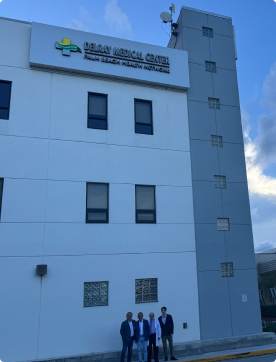
Structural sternal reconstruction requires access to cardiothoracic surgery, critical care, infectious disease management, advanced anesthesia, and hospital-based operative resources typically associated with tertiary cardiac environments.
This integrated approach reduces recurrent failure and improves long-term structural durability.
Vascularized Muscle Flap Doctrine
Vascularized muscle coverage serves structural and biologic roles:
- Reinforcement of sternal stability
- Obliteration of mediastinal dead space
- Protection of cardiac structures
- Augmented regional antibiotic delivery
- Reduction of reinfection risk
Reconstructive strategies may include:
- Bilateral or unilateral pectoralis major flaps
- Rectus abdominis muscle transfer
- Omental transposition when indicated
Technique selection is dictated by mechanical instability, infection burden, tissue viability, and systemic physiology.
Reconstruction is deliberately sequenced: structural stability precedes definitive coverage. Operative sequencing defines durability.
Traumatic Chest Wall Reconstruction
Traumatic chest wall loss may involve:
- Segmental rib instability
- Soft tissue avulsion
- Hardware exposure
- Combined pulmonary injury
Reconstruction prioritizes restoration of structural integrity, protection of intrathoracic organs, and preservation of respiratory mechanics.
These injuries are managed within a trauma-center environment capable of supporting physiologic instability and complex staged reconstruction.
Postoperative Surveillance & Structural Durability
Reconstruction does not conclude at flap closure. Patients require coordinated cardiothoracic follow-up, infectious disease oversight, structured outpatient surveillance, and monitoring of mechanical stability.
Durability is measured by sustained structural stability, infection control, and uninterrupted cardiopulmonary recovery.
Escalation Considerations
Sternal wound breakdown accompanied by:
- Mechanical instability
- Hardware exposure
- Deep infection
- Mediastinal involvement
- Recurrent failure after prior closure
warrants early multidisciplinary evaluation within a hospital-based reconstructive setting. Delay in escalation increases the risk of progressive structural compromise and systemic deterioration.