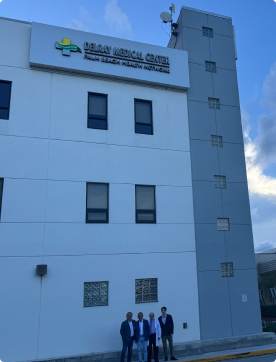
Trauma-Integrated Reconstructive Infrastructure
Plastic Surgery Trauma Associates forms the reconstructive component of a Level I trauma system.
The program encompasses extremity trauma, limb salvage, catastrophic hand injury, complex spine soft tissue reconstruction, burn reconstruction, geriatric tissue salvage, peripheral nerve reconstruction, and advanced wound salvage.
This breadth reflects tertiary reconstructive infrastructure aligned with major trauma-centered academic systems.
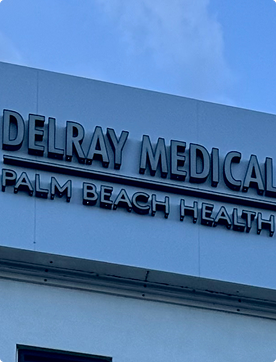
Structural Reconstruction As Decisive Discipline
In high-acuity injury, structural reconstruction defines outcome.
The program integrates microsurgical capability, trauma-system alignment, perfusion-based assessment, multidisciplinary coordination, and longitudinal oversight.
Operative sequencing governs durability.
Structural integrity governs function.
Trauma-Scale Operating Environment
The service operates within Level I trauma activation and coordinated specialty escalation.
Dedicated operative access, integrated rehabilitation, and continuous reconstructive oversight define its structure.
Such infrastructure is characteristic of tertiary trauma systems.
ACGME Surgical Training Infrastructure
The reconstructive service operates within an ACGME-accredited surgical training environment.
Plastic surgery residents and Florida Atlantic University (FAU) general surgery residents train within high-acuity reconstructive cases under attending supervision.
Training occurs within trauma-scale reconstruction and reinforces perfusion-based assessment, operative sequencing, and structural decision-making.
Active ACGME integration within a trauma-integrated reconstructive service reflects institutional depth associated with academic trauma centers.
Operating Doctrine
- Tissue salvage over replacement
- Structural preservation over reactive repair
- Early alignment over delayed escalation
- Functional restoration over cosmetic endpoint
Complex injury is managed through coordinated reconstructive systems rather than isolated procedures.