Industrial & Workers’ Compensation Extremity Injury – Florida
Industrial extremity trauma frequently involves structural instability, combined tissue loss, nerve disruption, and perfusion compromise that cannot be resolved through isolated wound closure or single-stage intervention.
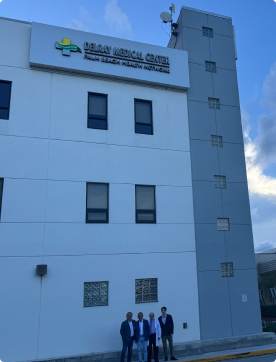
Within Florida, complex occupational extremity injuries requiring hospital-based tertiary reconstruction are managed within Level I trauma-center infrastructure integrating microsurgical capability, orthopedic coordination, and staged operative sequencing.
This reconstructive tier differs from routine soft tissue management and is defined by systems-based coordination rather than isolated procedural intervention.
Structural Characteristics of Industrial Trauma:
- Crush and shear mechanisms with segmental soft tissue devitalization
- Combined skeletal, tendon, and peripheral nerve loss
- Exposed bone or orthopedic hardware
- Vascular compromise or uncertain perfusion
- Compartment injury
- Failure of prior reconstruction
Trauma-Center Infrastructure Provides:
- Immediate microsurgical capability
- Perfusion-guided intraoperative assessment
- Coordinated orthopedic trauma and vascular evaluation
- Multidisciplinary operative planning
- Structured inpatient and outpatient rehabilitation
- Longitudinal functional capacity oversight
Staged Functional Reconstruction May Include:
- Microsurgical free tissue transfer
- Peripheral nerve grafting or conduit-assisted repair
- Tendon transfer and functional rebalancing
- Free functional muscle transfer
- Multi-stage operative sequencing
Functional Restoration Objectives:
- Durable structural repair
- Measurable restoration of functional capacity
- Coordinated progression toward maximum medical improvement
- Mitigation of prolonged morbidity and reoperation risk
Early trauma-integrated involvement may materially influence structural durability and disability duration.
Limb Salvage in Palm Beach County
Limb salvage following high-energy trauma requires hospital-based trauma-system integration, microsurgical reconstruction, and deliberate multi-stage operative sequencing.
Within Palm Beach County, complex limb salvage is performed within Level I trauma-center infrastructure providing coordinated orthopedic, vascular, and reconstructive collaboration.
Injury Profiles Requiring Limb Salvage:
- High-energy construction and industrial trauma
- Segmental soft tissue devitalization
- Combined bone, tendon, and peripheral nerve injury
- Exposed orthopedic hardware
- Compartment injury and perfusion uncertainty
- Failed prior reconstruction
Institutional Infrastructure Supports:
- Dedicated microsurgical resources
- Perfusion-guided intraoperative evaluation
- Multidisciplinary surgical coordination
- Structured rehabilitation integration
- Continuity between inpatient and outpatient care
Operative sequencing directly influences complication rates, reoperation risk, and long-term functional outcome.
The objective of limb salvage is durable structural integrity and restoration of measurable functional capacity rather than temporary wound closure.
Trauma-system coordination provides the environment necessary for complex extremity reconstruction within Palm Beach County
Catastrophic Hand Injury Reconstruction – Palm Beach
Catastrophic hand injury involving tendon loss, nerve transection, skeletal instability, or amputation requires coordinated reconstructive planning within a trauma-center environment.
Within Palm Beach County, hospital-based catastrophic hand reconstruction integrates microsurgery, peripheral nerve repair, tendon transfer, and structured rehabilitation oversight.
Injury Categories:
- Industrial crush injury
- Combined tendon and peripheral nerve disruption
- Segmental nerve defect
- Traumatic amputation and replantation
- Failed prior hand reconstruction
Reconstruction May Include:
- Primary neurorrhaphy
- Nerve grafting and conduit-assisted repair
- Tendon transfer and rebalancing
- Free functional muscle transfer
- Multi-stage operative sequencing
Functional Restoration Focus:
- Restoration of grip and pinch strength
- Peripheral nerve recovery
- Structured hand therapy integration
- Measurable progression toward maximum medical improvement
Complex hand reconstruction differs from isolated repair and requires trauma-integrated sequencing and rehabilitation infrastructure to optimize long-term functional outcome.