Palm Beach Skin Tear Care
Skin Tears in Aging Skin Can Fail Fast
Early Plastic Surgery Evaluation — and Timely Intervention When Needed — May Help Preserve Fragile Skin Before Tissue Loss Becomes Established.
Skin-tear tissue salvage methods developed, published, and nationally presented by PSTA plastic surgeons.
Fragile skin, blood thinners, hematoma, and shear injury can compromise the skin flap’s blood supply, turning a small appearing wound into prolonged wound care, tissue loss, delayed healing, or loss of mobility.
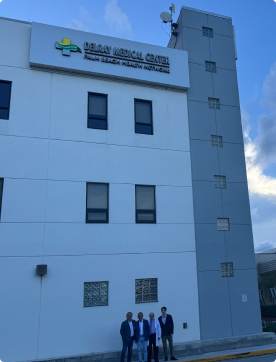
Plastic Surgery Trauma Associates evaluates skin tears and fragile-skin avulsion injuries through the Delray Advanced Wound Center.
PSTA surgeons have developed, published, and widely presented methods for salvaging skin-tear tissue in fragile and aging skin.
MAKE AN APPOINTMENT
(561) 495-3412
Why Skin Tears in Older Adults Are Different
A skin tear in an older patient may look superficial. Biologically, it may behave very differently.
With aging, skin loses elasticity, the dermis thins, and microvascular support becomes less reliable. Blood thinners can allow bleeding beneath the skin, creating hematoma and shear that separate the skin from its remaining blood supply.
That means an avulsed skin flap may not behave like a living flap. In selected cases, it may behave more like a graft that needs immediate stabilization, protection from shear, and structured follow-up.
This distinction changes treatment.
Skin Flap Viability: Why the First Days Matter
Timing matters because skin-tear tissue can declare itself over time. A flap that appears borderline may become dusky, purple, black, or necrotic as swelling, hematoma, and shear compromise perfusion.
Early evaluation can identify whether the skin flap is viable, threatened, or already nonviable. That distinction affects whether tissue can be stabilized, whether hematoma needs evacuation, whether the wound needs debridement, and how closely the wound should be followed.
The goal is to preserve tissue before preventable loss becomes established.
Early Presentation Can Shorten the Course of Care
PSTA consistently sees skin tears that arrive late after weeks or months of non-healing, progressive skin loss, drainage, repeated dressing changes, or failed prior closure.
Many of these wounds may have followed a dramatically shorter course if the tissue injury had been evaluated earlier through a reconstructive skin-tear framework.
Early evaluation may allow:
- hematoma evacuation before progressive tissue compromise
- stabilization of fragile avulsed skin
- protection of remaining blood supply
- reduction of shear across the wound
- earlier recognition of nonviable tissue
- more appropriate dressing and compression strategy
- escalation before the wound becomes chronic
The goal is not simply to watch the wound.
The goal is to identify which skin tears are likely to fail before they become prolonged wound-care problems.
Blood Thinners, Hematoma, and Shear Injury
Many older patients take anticoagulants or antiplatelet medications.
After a fall or blunt injury, bleeding beneath the skin can create a hematoma that separates fragile tissue from its blood supply. This can convert an apparently limited skin tear into a larger zone of compromised tissue.
In selected cases, evacuation of the hematoma, stabilization of the tissue, and protection against further shear may reduce progression and shorten the wound trajectory.
PSTA’s Skin-Tear Tissue Salvage Approach
Skin tears are common. That does not make them simple.
PSTA has developed methods for salvaging skin-tear tissue in fragile and aging skin. These methods have been published in peer-reviewed journals, presented at major national and international surgical meetings, and incorporated into broader reconstructive discussion regarding geriatric avulsion injury and tissue salvage.
The approach is based on reconstructive principles:
- preserve viable tissue when possible
- identify threatened perfusion early
- treat avulsed skin as structurally vulnerable
- evacuate hematoma when it threatens blood supply
- stabilize tissue before shear causes further loss
- avoid unnecessary tissue sacrifice
- escalate when progressive necrosis or exposed structures are present
- follow the wound until durability is established
The objective is to shorten the course of care when possible and prevent a manageable skin tear from becoming a chronic wound.
Morel-Lavallee-Type Shearing in Fragile Skin
Some blunt injuries create internal shearing beneath the skin. The outer skin may appear intact or only partially injured, while the deeper tissue plane has been separated by fluid, blood, or disrupted perforating vessels.
These internal degloving injuries may behave like Morel-Lavallee-type lesions. In older patients, these injuries can progress quickly because the skin has less elasticity and less reliable vascular reserve.
Early evaluation helps determine whether tissue is stable, threatened, or already progressing toward necrosis.
Evaluation Through the Delray Advanced Wound Center
Patients with skin tears, fragile-skin wounds, and geriatric avulsion injuries may be evaluated through the Delray Advanced Wound Center pathway.
The wound center is connected to Plastic Surgery Trauma Associates and a broader Level I trauma reconstructive environment.
This distinction matters because some skin tears need more than dressing changes. Some require hematoma evacuation, tissue stabilization, perfusion assessment, debridement, staged reconstruction, or hospital-based escalation.
The correct pathway depends on the skin tear.
Common Reasons Patients and Families Call
- “skin tear not healing”
- “skin flap turning black”
- “wound after a fall”
- “large bruise with open skin”
- “elderly patient wound won’t close”
- “wound getting worse despite dressings”
- “skin tear on blood thinners”
- “hematoma under fragile skin”
- “skin tear taking months to heal”
- “skin lifted away from the leg or arm”
Early presentation can prevent loss of time, tissue, mobility, and independence.
Make an Appointment
For skin tears, fragile-skin wounds, avulsion injuries, and skin tears that are not progressing:
Delray Advanced Wound Center
(561) 495-3412
For professional referral: Professional Referral
For urgent trauma-system escalation: Tenet Transfer Center – 855-952-7246 – Available 24/7
PalmBeachSkinTear.com is a focused educational and referral landing page maintained by Plastic Surgery Trauma Associates.
For full trauma reconstruction program information, visit ReconstructiveTrauma.com.
The wound center is connected to Plastic Surgery Trauma Associates and a broader Level I trauma reconstructive environment.
FAQ
It can be. In aging skin, a skin tear may involve fragile tissue, poor perfusion, hematoma, or shear injury. Some wounds that appear minor at first can progress to necrosis or prolonged wound care.
Evaluation is appropriate when the wound is large, the skin flap is dusky or black, the patient is on blood thinners, bruising is expanding, drainage persists, or the wound is not improving.
Aging skin has reduced elasticity, thinner dermis, and less reliable microvascular support. Anticoagulation, swelling, hematoma, and repeated shear can further impair healing.
In many cases, yes. Early evaluation may identify threatened tissue, hematoma, shear risk, or the need for stabilization before the wound progresses into a prolonged non-healing problem.
PSTA applies plastic-surgery tissue-salvage principles to aging-skin wounds. The focus is preservation of viable tissue, perfusion awareness, stabilization, and escalation when routine wound care is unlikely to be enough.
Patients may be evaluated through the Delray Advanced Wound Center. The wound center is connected to Plastic Surgery Trauma Associates and the broader Level I trauma reconstructive environment.