Facial Fractures & Panfacial Trauma Reconstruction – Florida Level I Trauma Environment
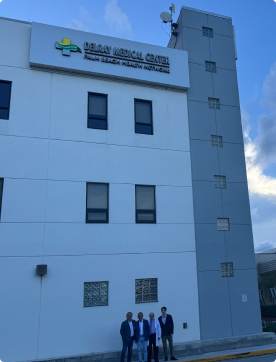
Facial fractures in the setting of high-energy trauma represent complex structural injuries that frequently occur alongside multisystem instability. In Palm Beach County and the surrounding region, these injuries most commonly arise from high-speed motor vehicle collisions, motorcycle trauma, gunshot wounds to the face, industrial accidents, and falls from height.
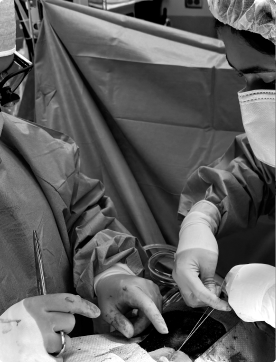
Unlike isolated nasal fractures or minor orbital injuries treated in outpatient environments, high-energy craniofacial trauma requires coordinated hospital-based reconstruction integrated within a Level I trauma framework.
These injuries may involve:
- Le Fort I, II, and III fracture patterns
- Panfacial skeletal disruption
- Multiplanar midface instability
- Segmental bone loss
- Comminution of facial buttresses
- Orbital wall collapse with volume loss
- Nasal structural destruction
- Open frontal sinus fractures
- Skull base involvement
- Soft tissue avulsion and neurovascular exposure
Panfacial trauma disrupts the vertical and horizontal load-bearing pillars of the face. Restoration requires deliberate reconstitution of facial height, width, projection, occlusion, and orbital volume. Reconstruction proceeds in a defined structural sequence to re-establish buttress integrity before definitive stabilization.
High-energy mechanisms frequently produce noncontiguous fracture lines and bone loss requiring staged reconstruction rather than isolated fixation. Ballistic injuries may create cavitation effects with segmental bone destruction and soft tissue deficits that demand careful operative planning.
When facial trauma coexists with traumatic brain injury, cervical spine instability, airway compromise, or hemodynamic vulnerability, operative management must be coordinated with neurosurgical and trauma teams. Reconstruction is sequenced around physiologic stabilization and ICU-level care when indicated.
Open cranial fractures with exposed intracranial contents represent an additional tier of complexity. In these cases, reconstruction prioritizes:
- Protection of intracranial structures
- Separation of intracranial and sinonasal cavities
- Restoration of cranial contour
- Durable vascularized soft tissue coverage
These injuries require coordinated operative planning and trauma-center resources consistent with tertiary craniofacial reconstruction.
Functional restoration extends beyond skeletal alignment. Proper occlusion, preservation of vision, airway stability, mastication, and speech are central goals. Improper sequencing may lead to malocclusion, orbital dystopia, chronic sinus issues, or long-term deformity.
Soft tissue management is equally critical. Degloving injuries, facial nerve exposure, lacrimal disruption, and contamination require layered reconstruction and protection of neurovascular structures. Durable results depend on both structural framework and soft tissue viability.
Postoperative management includes airway monitoring, neurologic evaluation, visual assessment, occlusal stability review, and surveillance for infection or hardware-related complications. Long-term durability is defined by stable skeletal alignment, preserved function, and structural integrity.
In the setting of complex craniofacial trauma, reconstruction is not merely fracture fixation. It is multiplanar structural reconstitution performed within a trauma-integrated hospital environment.