Pediatric Trauma Reconstruction
Structural Restoration Within a Level I Trauma System
In pediatric trauma, long-term outcome is determined by disciplined reconstruction that preserves structural integrity and functional anatomy across growth.
Severe injury in a child disrupts developing structure and future function. Reconstruction proceeds with structural precision, coordinated decision-making, and longitudinal oversight within a trauma-integrated system.
Trauma-Integrated Role
Pediatric trauma rarely presents as isolated fracture. High-energy mechanisms produce layered injury patterns involving skeletal instability, soft tissue loss, contamination, neurovascular compromise, and functional zone disruption.
Reconstructive intervention is sequenced in coordination with trauma, orthopedic, anesthesia, and critical care services. ICU-level monitoring is utilized when medically indicated prior to definitive repair.
Mechanisms of Injury
Reconstructive involvement arises from complex and high-energy mechanisms including pedestrian struck trauma, motor vehicle and recreational collisions, bicycle and electric bicycle injury, falls from height, animal bites, burns, and penetrating trauma.
These mechanisms frequently produce combined skeletal and soft tissue disruption requiring staged operative planning.
Operative Scope
Following stabilization, reconstruction may address:
- Multiplanar craniofacial fractures
- Soft tissue avulsion and tissue loss
- Hand and digital trauma
- Peripheral nerve and tendon disruption
- Digital amputation
- Burn injury requiring excision and grafting
- Contaminated wound beds
- Secondary structural deformity
Management extends beyond closure. Marginal perfusion, contamination burden, neurovascular integrity, and growth centers are preserved whenever biologically feasible.
Operative timing and sequencing are guided by tissue viability, physiologic stability, and long-term developmental implications.
Pediatric Animal Bite Injury
Animal bites represent a substantial subset of pediatric trauma. Facial and hand injuries frequently involve irregular avulsion, ductal disruption, nerve compromise, and marginal tissue viability.
Operative strategy may require structured debridement, layered reconstruction, nerve or ductal repair, and staged refinement across growth.
Restoration is planned for durability rather than immediacy.
Burn Evaluation & Management
Burn injuries are evaluated within the trauma-integrated hospital environment.
Assessment includes burn depth, total body surface area, functional zone involvement, and airway risk in coordination with the trauma team.
Patients are managed locally when appropriate or transferred to a dedicated pediatric burn center when established burn center transfer criteria are met.
Triage is guided by injury severity, resource demands, and anticipated reconstructive burden.
When treated locally, burn management includes specialized wound care and, when indicated, operative intervention including excision, grafting, and the selective use of dermal substitutes, with structured contracture prevention planning.
Microsurgical Capability
Microsurgical reconstruction expands operative options in selected pediatric cases.
Digital replantation may be performed when vascular repair is technically feasible and functional recovery is biologically realistic.
Microsurgical intervention requires hospital-based operative infrastructure, specialized instrumentation, and structured postoperative monitoring.
Preservation of functional anatomy in a growing child justifies this capability.
Regional Role
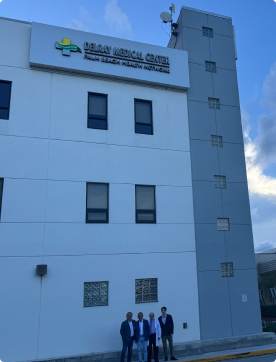
The service functions as a regional receiving center for complex pediatric reconstructive trauma.
Transfers are accepted from community hospitals and pediatric-focused emergency facilities when reconstructive complexity exceeds local resources, including institutions located substantial distances from the trauma center.
Referred cases commonly involve extensive soft tissue loss, craniofacial instability, digital amputation, burn injury, nerve disruption, and penetrating trauma requiring staged reconstruction.
Delivery of this level of care requires a hospital-based trauma framework with integrated operative, critical care, and microsurgical capacity.
Pediatric Reconstructive Doctrine
Reconstruction in children requires disciplined attention to skeletal growth, preservation of growth plates, neurovascular integrity, scar modulation across development, and long-term functional balance.
Tissue preservation is prioritized whenever viable. Durability is measured across years of growth.
Pediatric trauma reconstruction is structural restoration sustained across growth.