Tertiary Reconstruction Clinical Considerations
Guidance for Referring Physicians, Case Managers, and Legal Professionals
When Is Tertiary Reconstruction Indicated?
Tertiary reconstruction is indicated when an injury demonstrates structural instability, combined tissue loss, perfusion compromise, or functional deficit that cannot be resolved through isolated closure or single-stage intervention.
- High-energy extremity trauma with multi-tissue loss
- Combined tendon and peripheral nerve injury
- Exposed bone or orthopedic hardware
- Segmental tissue devitalization
- Failure of prior reconstruction
In such cases, durable repair requires coordinated trauma-center integration.
What Defines Tertiary Reconstruction?
- Hospital-based microsurgical capability
- Perfusion-guided intraoperative assessment
- Coordinated orthopedic, vascular, and reconstructive planning
- Structured multi-stage operative sequencing
- Integrated rehabilitation infrastructure
The defining characteristic is systems-based reconstruction rather than isolated procedural intervention.
When Is Transfer Appropriate?
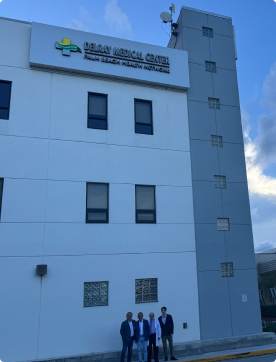
Transfer to a Level I trauma center should be considered when structural criteria are present and durable repair requires coordinated trauma-system resources.
- Microsurgical free tissue transfer
- Peripheral nerve reconstruction
- Staged operative planning
- Multidisciplinary surgical coordination
Trauma-center infrastructure provides the environment necessary for such reconstruction.
Why Does Sequencing Influence Outcome?
In complex extremity injury, reconstruction performed without coordinated staging may increase complication risk, structural failure, and prolonged disability.
Deliberate operative sequencing and perfusion assessment directly influence structural durability and measurable functional capacity.
What Defines Resolution in Industrial Injury?
- Durable structural integrity
- Restoration of functional capacity
- Coordinated progression to maximum medical improvement
- Mitigation of reoperation and prolonged morbidity
Wound closure alone does not satisfy these endpoints in structurally unstable injuries.